

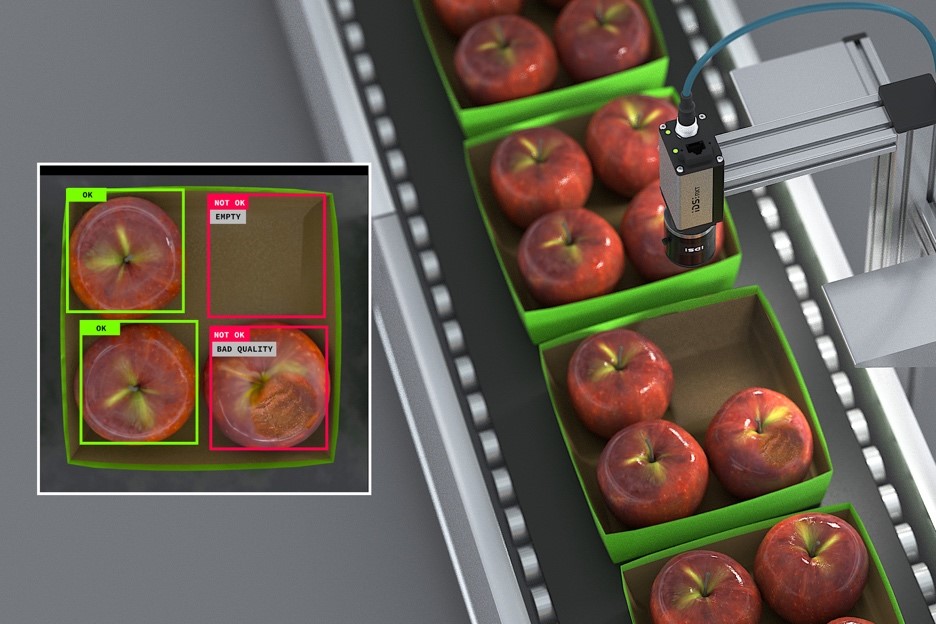
Detecting food safety hazards has always been a cornerstone of the food industry—but traditional inspection methods have limits. Human error, time constraints, and inconsistent documentation often leave room for dangerous oversights. Today, artificial intelligence is changing that. AI-powered detection systems are bringing unprecedented precision and speed to food monitoring.
At the heart of this transformation are advanced sensors and smart cameras. These tools use machine learning to analyze visual, chemical, and environmental data in real time. Unlike manual inspections, which rely on the naked eye and periodic checks, AI systems can monitor production lines continuously, identifying even the smallest anomalies.
Machine vision—a type of AI that mimics human sight—is one of the most widely adopted technologies. It allows cameras to detect defects such as discoloration, mold, foreign objects, or irregular sizes and shapes. In meat and poultry facilities, for instance, cameras can scan thousands of products per minute, flagging potential issues instantly and reducing the risk of unsafe food reaching the public.
Beyond visuals, chemical sensors are being used to monitor factors like gas emissions, pH levels, and moisture content. These sensors are particularly useful in fresh produce and packaged food industries, where spoilage can occur without any visible signs. When combined with AI, these sensors can predict spoilage patterns and suggest corrective actions automatically.
Many of these technologies are now integrated into automated inspection lines. For example, conveyor belts equipped with thermal imaging and hyperspectral cameras can detect temperature irregularities and cross-contamination that human workers might miss.
What makes AI detection so powerful is its ability to learn and improve over time. As the system collects more data, it becomes smarter—adapting to different product types, environmental conditions, and processing speeds. This ensures not only faster detection but also fewer false positives.
In a world where food recalls cost millions and public trust can be lost in seconds, AI-powered detection systems offer a solution that is both proactive and precise. These tools are helping companies catch problems before they happen—protecting consumers and reinforcing confidence in food safety systems.
Source: Ms. Nisrine Abou Assi – Food Safety Specialist & Licensed Dietitian