

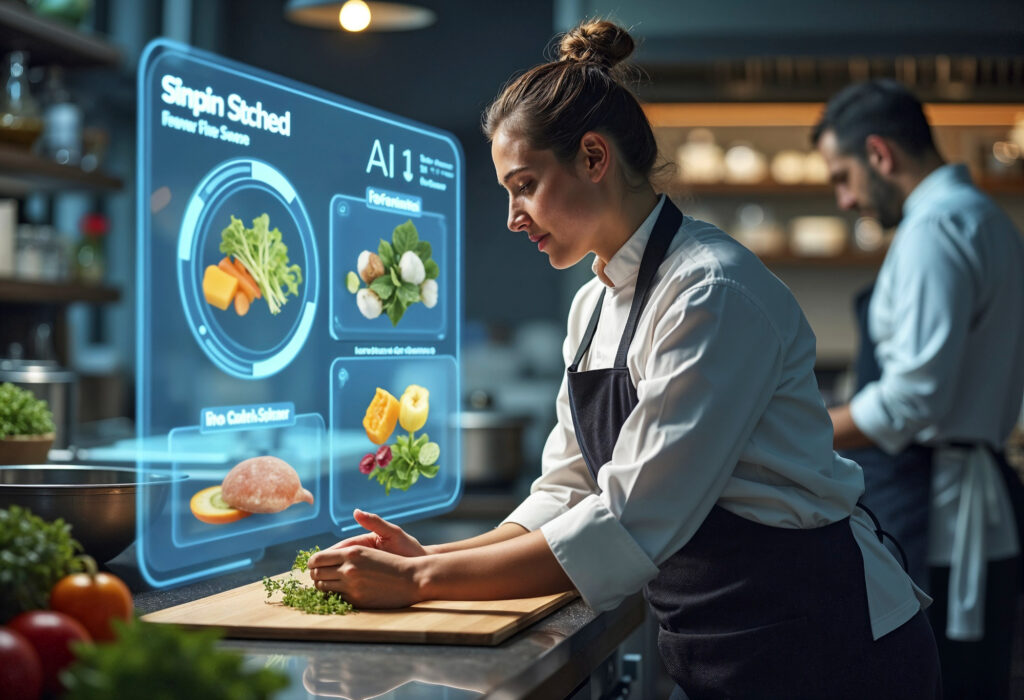
The integration of artificial intelligence into food safety monitoring brings undeniable advantages—but also raises important challenges. As more food companies adopt smart technologies, understanding both sides of the equation is essential for a successful transition.
Let’s start with the benefits. One of the most significant is improved accuracy. AI systems don’t suffer from fatigue or oversight like human inspectors. They can detect microscopic defects, subtle changes in temperature, or irregularities in production patterns in real time—ensuring quicker response and reducing contamination risks.
Another key advantage is efficiency. Automated monitoring systems operate 24/7, eliminating the need for constant manual supervision. This translates to faster processing times, reduced labor costs, and fewer disruptions in production. In addition, AI platforms can centralize massive volumes of data from various departments—quality control, logistics, and sanitation—into one integrated system, simplifying decision-making and compliance.
AI also brings predictive power. Rather than reacting to problems after they occur, food safety teams can now anticipate and prevent them. This proactive approach reduces product recalls, enhances consumer trust, and protects brand reputation.
However, despite these gains, adopting AI in food safety isn’t without its challenges.
The most obvious hurdle is cost. High-end AI systems, sensors, and automation infrastructure often require a significant upfront investment—making it difficult for small to mid-sized businesses to keep pace.
There’s also a learning curve. Employees need to be trained not only to operate AI systems but to interpret their outputs effectively. Resistance to change can slow down implementation, especially in traditional companies where manual processes have been in place for decades.
Additionally, data security and system integration are concerns. AI systems often rely on cloud-based platforms and interconnected devices (IoT). Without proper cybersecurity measures, companies risk data breaches or system failures.
Finally, regulatory alignment is still evolving. Many food safety authorities are catching up with these technologies, and companies must ensure that their AI systems comply with local and international standards.
In conclusion, while AI offers powerful tools to enhance food safety, its successful adoption requires strategic planning, investment, and a strong commitment to innovation. Those who embrace the shift wisely will not only reduce risks but also position themselves as leaders in the next era of food safety.
Source: Ms. Nisrine Abou Assi – Food Safety Specialist & Licensed Dietitian