

In food safety, hygiene is non-negotiable. However, maintaining high hygiene standards consistently—especially in large-scale operations—is one of the industry’s biggest challenges. Human limitations, inconsistent procedures, and labor shortages often result in gaps. Enter automation: a powerful solution to improve sanitation reliability, consistency, and efficiency.
Automated hygiene systems range from simple programmable cleaning devices to sophisticated robots and Clean-in-Place (CIP) systems that sanitize equipment without disassembly. These tools are revolutionizing how food production environments are cleaned and maintained.
CIP systems, for instance, are widely used in the dairy and beverage industries. These systems automatically flush tanks, pipes, and filling machines with pre-programmed cycles of cleaning solutions, hot water, and sanitizers. This not only reduces downtime but also ensures that each cleaning process meets strict safety standards every time—removing the variability of manual cleaning.
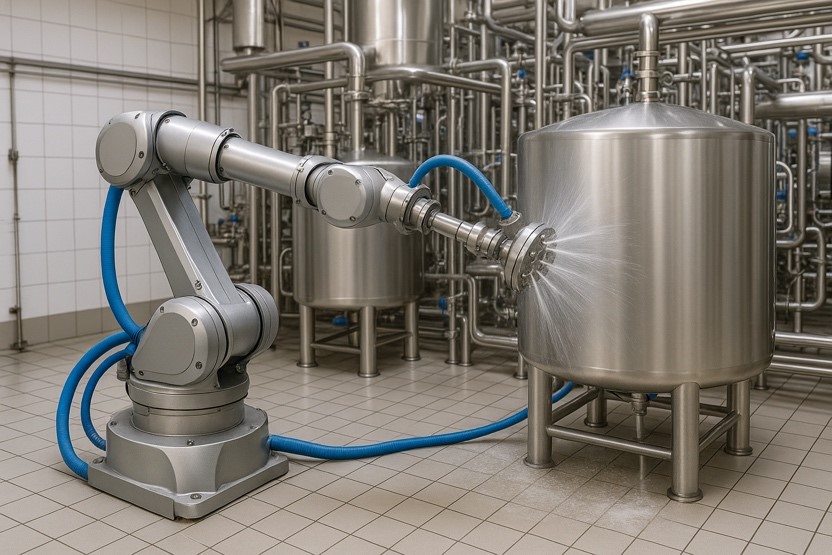
More advanced facilities are integrating robotic cleaning systems that can sanitize floors, walls, and hard-to-reach areas. Equipped with sensors and AI, these robots can adjust their cleaning behavior based on surface type, contamination level, and production schedules. Some even include UV-C disinfection modules, which destroy pathogens without chemicals.
Automation also helps ensure compliance with Sanitation Standard Operating Procedures (SSOPs). AI-driven platforms can track sanitation schedules, record who performed which tasks, and alert managers if any steps were missed or delayed. This enhances traceability and audit readiness while reducing the need for paperwork.
Beyond routine cleaning, AI can monitor factors that influence hygiene effectiveness—like water pressure, chemical concentrations, and cleaning duration. If any parameter falls outside the acceptable range, the system can automatically adjust or notify the sanitation team to intervene.
The benefits are clear: automation reduces human error, improves cleaning consistency, saves labor, and minimizes chemical and water waste. It also lowers the risk of contamination in critical zones such as packaging lines and raw material handling areas.
As food safety standards grow stricter and facilities face increasing production demands, automation in hygiene is no longer optional—it’s essential. The result is a safer product, a more efficient operation, and greater consumer trust.
Source: Ms. Nisrine Abou Assi – Food Safety Specialist & Licensed Dietitian