
The global appetite for sweetness is undergoing a fundamental transformation. For decades, sugar dominated the taste profiles of food and beverage products, with artificial sweeteners stepping in as low-calorie alternatives. But rising health concerns and stricter global regulations have set the stage for a new generation of clean-label innovation: naturally sweetened, non-sugar alternatives. From Dubai cafés to Riyadh’s retail shelves, this shift is no longer just a wellness trend—it’s a core strategy shaping the future of food manufacturing, ingredient sourcing, and B2B positioning across the MENA region.
Historically, artificial sweeteners such as saccharin, aspartame, and sucralose gained popularity for their calorie-free appeal. However, growing consumer awareness about long-term health effects and chemical-sounding labels gradually weakened their reputation. This opened the door for natural, plant-derived sweeteners to rise in both consumer and industry preference. Ingredients like stevia, monk fruit, allulose, erythritol, and tagatose are gaining traction for offering a natural origin, minimal glycemic impact, and more palatable taste profiles. Their versatility makes them ideal for applications across RTD beverages, bakery products, dairy alternatives, and nutraceuticals.
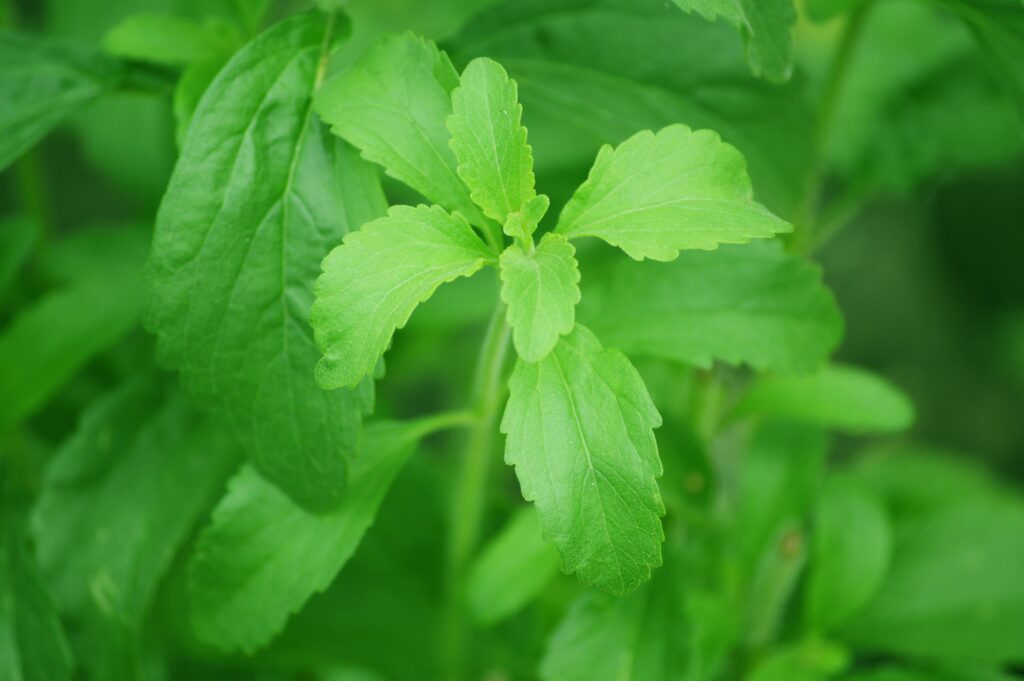
Take stevia, for example—sourced from the Stevia rebaudiana plant, it delivers sweetness up to 200 times that of sugar with zero calories. Monk fruit, a traditional remedy in Chinese medicine, is increasingly used in the U.S., EU, and now GCC countries. Allulose, naturally found in fruits like figs and raisins, mimics the texture and taste of sugar without its caloric punch. Meanwhile, sugar alcohols like erythritol and tagatose provide better bulk and mouthfeel—critical in baked goods and confections.
As of mid-2025, the global natural sweeteners market is valued at over $5.5 billion, with a projected CAGR of 7.1%. The MENA region is rapidly catching up, driven by regulatory shifts and a younger, more health-conscious population. For example, Saudi Arabia’s “sin tax” on sugary beverages and the UAE’s mandatory sugar labeling policies have pushed both global and local manufacturers to innovate. According to Mordor Intelligence, the non-sugar sweetener market in MENA is growing at 6.8% CAGR—fueled by rising diabetes rates and the push toward “better-for-you” product reformulations for domestic and export markets.
Retailers and foodservice chains are reacting quickly. Carrefour Middle East has expanded its sugar-free private label line by 35% since 2023. Local cafés in Amman and Dubai now routinely offer monk fruit and allulose-sweetened beverages. Across the board, 2025 has seen a surge in functional snack bars, plant-based yogurts, and school-friendly bakery mixes formulated with natural sweeteners.
But this transformation isn’t limited to consumer-facing changes—it’s echoing across the entire supply chain. B2B stakeholders are now expected to reformulate without compromising texture or shelf life, source from traceable and sustainable natural origins, and comply with international sugar-reduction mandates. Ingredient suppliers are being challenged to deliver custom sweetener blends, and exporters must now meet evolving front-of-pack labeling standards in Europe and North America. Even marketing and packaging teams are navigating how to claim “natural” or “no added sugar” without breaching regulatory red lines.
Looking ahead, several developments are poised to shape the region’s natural sweetener landscape. Blended sweeteners—pairing ingredients like stevia with erythritol or monk fruit with allulose—are emerging as the gold standard for achieving clean taste, mouthfeel, and stability. These blends are being patented and offered under proprietary systems to food and beverage manufacturers.
Meanwhile, food tech innovation is also making waves. Precision fermentation is enabling cleaner, better-tasting compounds such as Reb M, and there’s potential for regional fermentation hubs to emerge in markets like Egypt or Saudi Arabia. Local sourcing is another rising theme, with stevia now cultivated in Tunisia, Egypt, and southern Turkey—reducing MENA’s dependence on Asian imports and opening opportunities for cost-effective, traceable ingredient solutions.
Regulatory momentum is equally strong. Governments across the region are expected to tighten sugar-equivalent taxes and adopt clearer front-of-pack warnings. This will further push the value of clean-label, naturally sweetened products. While some ingredients, such as monk fruit, come at a premium, they can be positioned as value-adds for functional foods, diabetic-friendly products, and wellness-focused consumers in urban markets like Beirut, Riyadh, and Dubai.
In today’s marketplace, natural sweeteners are no longer optional—they’re essential tools in product innovation, brand positioning, and competitive strategy. As MENA’s food and beverage sector evolves, the companies that get sweetness right—without sugar—will be the ones that stay ahead of the curve.