
Over the last five years, the global non-alcoholic beverage market has undergone a powerful shift — and nowhere is this more evident than in the MENA region. As health awareness grows and consumer preferences evolve, brands are rethinking what goes inside the bottle, how it’s produced, and how it’s delivered. In a region where cultural norms already favor alcohol-free options, the demand for healthier, smarter, and more diverse beverages is surging.
Globally, the non-alcoholic beverage industry was valued at approximately $923 billion in 2019 and is projected to exceed $1.3 trillion by 2027, growing at an annual rate of over 6%. While soft drinks continue to hold their ground, the real momentum is behind functional drinks, low-sugar juices, ready-to-drink teas, and flavored waters. In MENA, this global movement is amplified by rapid urbanization, a rising middle class, and shifting lifestyle patterns in countries like Saudi Arabia, the UAE, and Egypt.
Take Saudi Arabia as an example: public health campaigns have contributed to a nearly 30% drop in soda sales between 2016 and 2021, while sales of bottled water and low-calorie drinks climbed by over 40%. Across the region, the average growth of the non-alcoholic beverage segment has outpaced global rates, especially in categories like plant-based beverages and natural juices.
But it’s not just about ingredients anymore. The beverage sector is entering a new era — one shaped by AI, IoT, and sustainability. Leading beverage manufacturers are now leveraging AI to analyze market trends in real-time, simulate new product formulations, and personalize drinks to suit local tastes. For instance, predictive AI platforms are helping companies tailor flavors for specific markets like Egypt or the Gulf, accelerating product launches while reducing R&D costs.
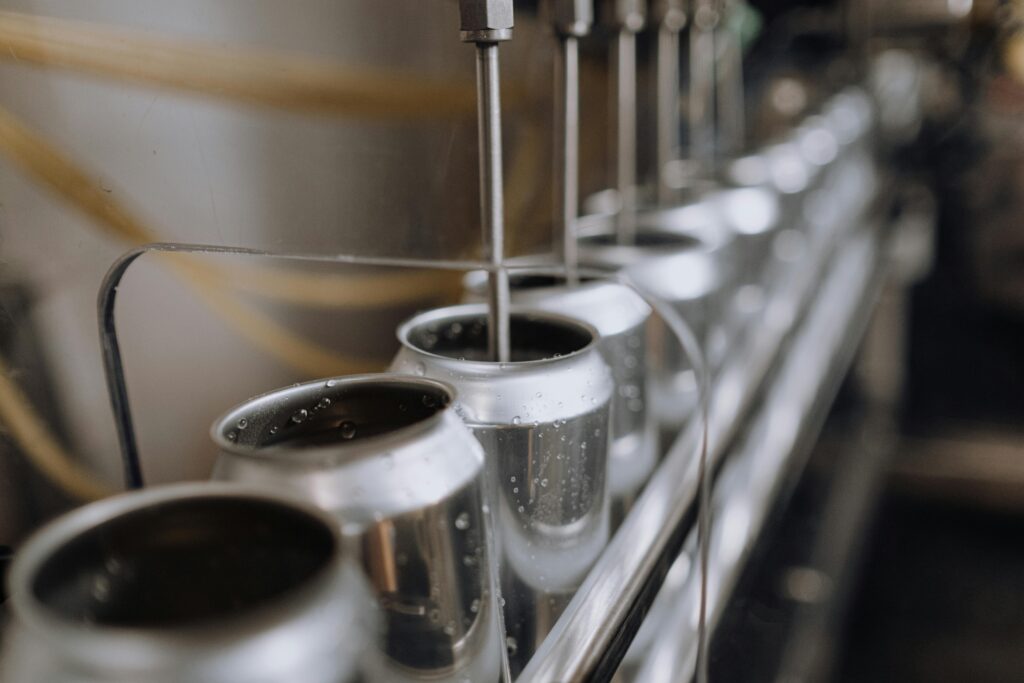
Meanwhile, IoT is making beverage production more intelligent and efficient. Smart sensors are being used to optimize energy and water use, monitor hygiene standards, and maintain cold chain logistics. Major players like Nestlé and PepsiCo have already started implementing smart bottling lines in MENA, achieving both sustainability gains and cost savings. Even smart vending machines equipped with AI are gaining traction in malls and universities across the UAE and Saudi Arabia, turning retail into a source of real-time consumer data.
Looking ahead, five major trends are poised to shape the future of the MENA beverage market:
- Functional and Health-Oriented Drinks – Products fortified with vitamins, probiotics, and adaptogens are becoming mainstream. With MENA’s rising concern over diabetes and obesity, the demand for gut-friendly, sugar-free beverages is accelerating.
- Sustainable Production and Packaging – Consumers now care how drinks are made. From returnable bottle programs in Egypt to solar-powered bottling facilities in the Gulf, sustainability is becoming a sales driver, not just a CSR goal.
- Local Flavors, Global Aspirations – Expect to see more beverages highlighting regional ingredients like hibiscus, tamarind, rose water, and dates. These aren’t just for local consumption; they’re being positioned as clean-label exports for global markets.
- Digital Distribution and E-Commerce – Online platforms and quick-commerce apps are transforming how beverages reach consumers. From Instashop to Talabat, cold drinks are now just a tap away.
- Stricter Regulations – Governments are cracking down on sugar content and product labeling. Saudi Arabia and the UAE already impose heavy taxes on sugary and energy drinks, while Egypt is considering a front-of-pack labeling system to guide healthier choices.
For B2B players — whether you’re supplying ingredients, machinery, or packaging solutions — this is a market rich with opportunity. Manufacturers offering energy-efficient bottling equipment, clean-label ingredients, or sustainable packaging are in high demand. Moreover, collaboration is becoming a key growth strategy, with startups across MENA forming partnerships with global food-tech accelerators and R&D labs to bring new ideas to life.
The non-alcoholic beverage industry in MENA isn’t just evolving — it’s being redefined. What was once a matter of taste has become a matter of lifestyle, technology, and purpose. The brands and suppliers that embrace this transformation are the ones that will lead it.