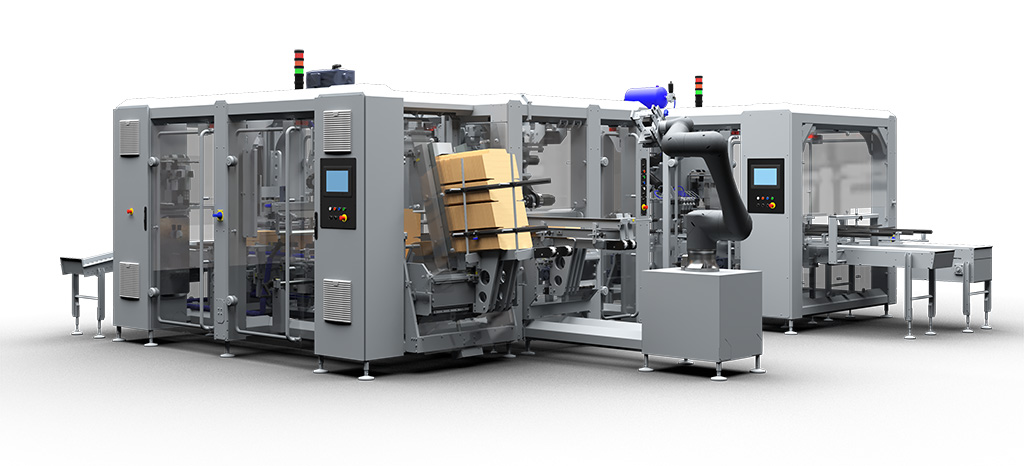

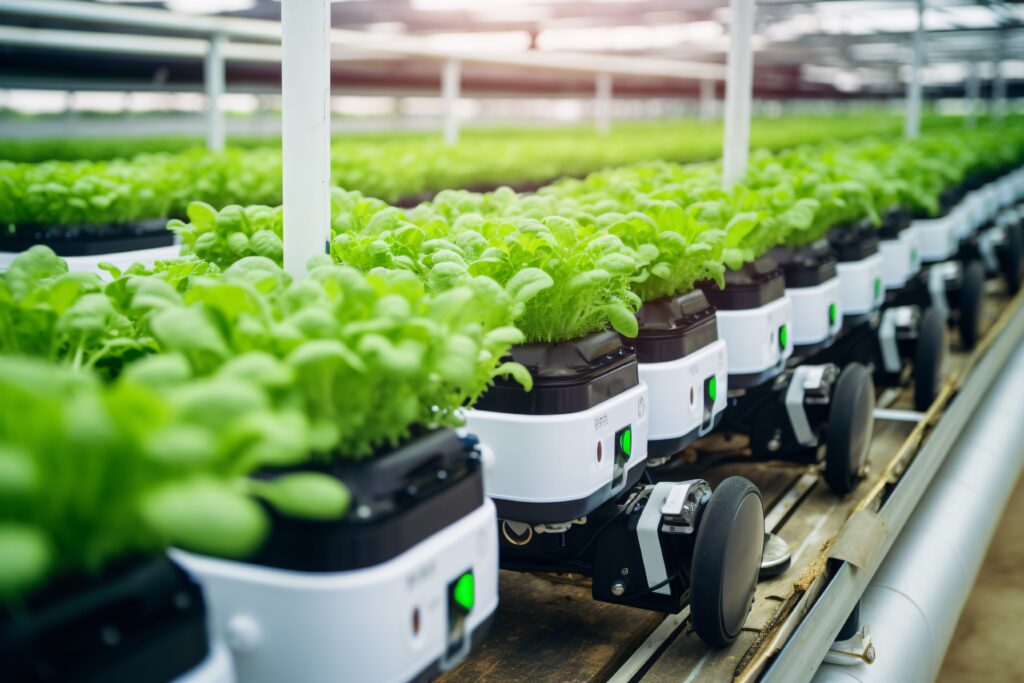
Saudi Arabia is modernizing how it makes and moves food. The April 2025 Saudi Food Manufacturing Expo – the Kingdom’s first – underscored this shift. Over 550 exhibitors demoed AI-driven production lines, robotics and smart packaging. Keynotes at the Food Forward Summit (co-located) covered topics like green processing, smart factories and digital supply chains. For example, logistics firm Swisslog showcased automated warehousing solutions (AutoStore robots) that integrate with e-grocery systems.
Industry observers highlight a move toward automation at every step. Manufacturers are installing IoT sensors for temperature and quality control, and using data analytics to forecast demand. SaudiFood Manufacturing 2025 emphasized “next-generation solutions across AI-driven supply chains, robotics, sustainable automation and advanced production technologies”. These advancements make factories leaner and more resilient, reducing waste and enabling rapid scaling of new products.
At the same time, Saudi is investing heavily in cold-chain and logistics. The MENA cold-storage market is booming, with Saudi poised to lead. A FreightWaves analysis projects Saudi’s cold-chain sector to reach $16.5 billion by 2030 (36% of the regional market). This growth is driven by Vision 2030’s food security push and by modern retail. IoT-enabled tracking and real-time monitoring are now common in Saudi warehouses. New refrigerated hubs are under construction in Riyadh and Jeddah to serve growing e-grocery and pharma needs.
Distribution deals at trade shows also illustrate this trend. On Day 1 of the Saudi Food Show, companies signed logistics agreements (with food delivery and storage firms) as part of the SR600M in contracts. And startups like Themar (a logistics platform) are emerging to link farmers, distributors and retailers with cold-chain support. In short, Saudi’s food manufacturing is going hand-in-hand with a digitized supply network, ensuring that fresh produce and dairy can reach consumers quickly and safely across vast distances.
- AI & Robotics: From automated palletizers to vision-system quality checks, factories are getting “smarter.” Executives at industry summits stressed that AI can “speed up experimentation” and optimize operations.
- E-Commerce Integration: With grocery e-commerce expected to make up ~46% of retail by 2030, food manufacturers are aligning with online platforms. Packaging lines are adding QR codes for traceability, and some bakeries/food brands are partnering with delivery services (e.g. Jahez, HungerStation) directly.
- Sustainability in Production: Green solutions (solar power, water recycling) featured prominently at shows. The Saudi Food Manufacturing event touted “sustainable automation” – a nod to efforts to cut carbon and reduce resource use in factories.