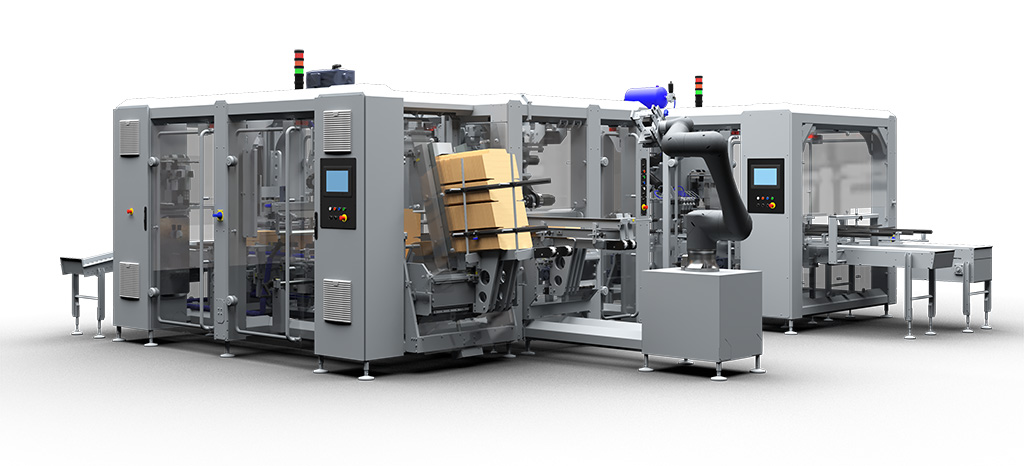


The Middle East and North Africa (MENA) region is undergoing a food tech revolution powered by artificial intelligence. What was once a landscape dominated by traditional practices is now being transformed by smart farming, automated kitchens, and data-driven decision-making. This evolution is more than just technological progress—it’s a direct response to urgent regional challenges like food insecurity, water scarcity, import reliance, and changing consumer behaviors.
Why AI Matters in the MENA Food Ecosystem
The region’s food systems face complex issues. Many MENA countries—Saudi Arabia, the UAE, Qatar, and Kuwait—import the bulk of their food, making them highly vulnerable to global supply disruptions, geopolitical tensions, and climate change. At the same time, rising urbanization and a young, tech-savvy population are fueling demand for faster, more transparent, and more personalized food experiences.
Artificial intelligence, along with tools like IoT, computer vision, and machine learning, is emerging as the engine that can simultaneously tackle supply efficiency, sustainability, and consumer expectations.
Smarter Agriculture with AI
At the heart of food security is agriculture—and MENA’s harsh environment demands innovative solutions. AI-powered precision farming is helping optimize irrigation, fertilization, and planting using sensor data, GPS, and predictive analytics. Controlled environment agriculture (CEA) systems—like hydroponics and vertical farms—are also gaining traction, particularly in the UAE and Saudi Arabia, where AI regulates light, temperature, and nutrients to boost yields year-round.
Other cutting-edge agritech solutions include:
- Autonomous farming robots for tasks like harvesting and weeding
- AI-powered modeling for desert farming and seawater irrigation
- Cellular agriculture for lab-grown meat, milk, and eggs
Though these technologies can be costly, governments are stepping in with incentives and investments to make them more accessible.
AI Boosts Supply Chain Resilience
The COVID-19 pandemic, geopolitical unrest, and climate shifts exposed the fragility of food supply chains. Countries like the UAE, which imports over 85% of its food, are now focusing on localized production and AI-powered logistics systems to boost resilience.
AI enables:
- Predictive demand and crop forecasting
- Real-time tracking of inventory and cold chains
- Smart procurement systems based on reliability and sustainability
- Risk analysis to mitigate disruptions
These tools are helping governments and businesses build more adaptable, transparent, and efficient supply networks across the region.
AI in Restaurants, Kitchens & Customer Experience
The adoption of AI isn’t limited to farms and warehouses. Restaurants across MENA are digitizing operations—from staffing and inventory to forecasting and customer service.
In 2024, 41% of restaurants in the region reported using AI for sales forecasting and waste reduction. Restaurant Management Systems (RMS) and smart kitchen devices are becoming the norm, helping reduce operational costs, improve order speed, and cut down errors.
On the customer side, AI enhances:
- Personalized menus and self-ordering kiosks
- AI chatbots for booking and service
- Voice recognition and smart payments
- Loyalty integrations and queue management
The result is a faster, more seamless dining experience that aligns with the expectations of today’s digitally native consumers.
The Power of Data in F&B
Data is now one of the most valuable assets in foodservice. POS systems and CRM tools collect insights that help businesses:
- Optimize menus based on profitability and trends
- Forecast demand and adjust staffing
- Launch targeted promotions
- Choose new locations based on customer data
These insights can lead to 8–10% higher margins—giving a major advantage to restaurants that embrace analytics.
Agentic AI: The Next Frontier
The MENA region is also witnessing the rise of agentic AI—systems that can manage operations with minimal human input. Dubai-based Kitopi, for instance, uses its Smart Kitchen Operating System (SKOS) to automate everything from order flow to inventory and staffing.
Even industries adjacent to food, like hospitality HR tech, are applying AI at scale. VISARUN.AI in Dubai automates visa processing for migrant workers—vital for staffing kitchens, farms, and restaurants across the region.
What’s Next for AI in MENA Food Tech?
Governments are investing in Food Tech Valleys, startups are securing funding, and operators are doubling down on digital transformation. To keep the momentum going, the region must:
- Expand AI training for SMEs and producers
- Build digital infrastructure and data standards
- Promote sustainable, energy-efficient AI applications
- Encourage public-private R&D partnerships
AI is no longer a futuristic idea in the MENA food industry—it’s the foundation of a smarter, more secure, and more consumer-friendly ecosystem. Whether it’s AI managing a vertical farm, predicting delivery demand, or curating a digital menu, the region is laying the groundwork for a global food tech model—one that is resilient, data-driven, and built for the future.